


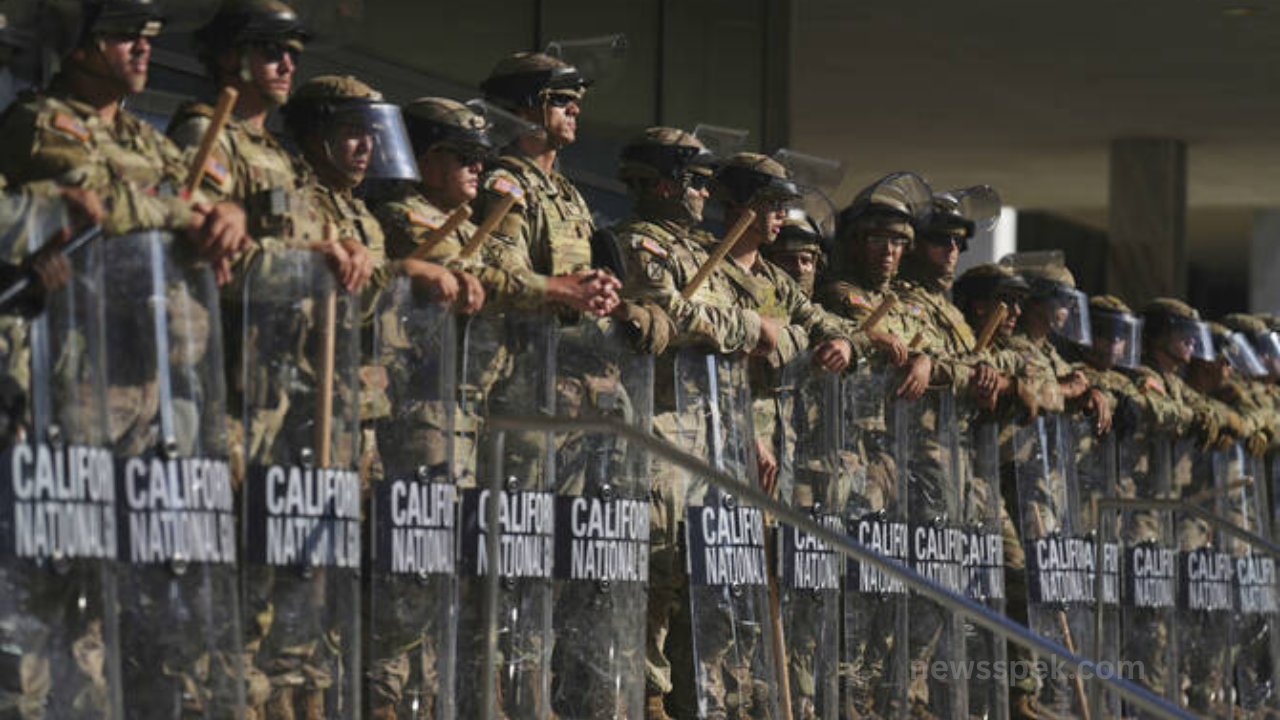
News about Pentagon Troop Deployment plans being readied for potential civil unrest has ignited intense debate across the United States. Supporters call it a necessary precaution in uncertain times, while critics warn of risks to civil liberties. As political tensions, protests, and security concerns grow, this issue is no longer hypothetical. Understanding why these deployments matter, how they work, and what they could mean for everyday citizens is crucial heading into 2025 and beyond.
Why Pentagon Troop Deployment Matters in 2025 and Beyond
The idea of military forces preparing for domestic unrest touches a sensitive nerve in American democracy. The Pentagon Troop Deployment conversation is not just about security. It is about the balance between public safety and constitutional rights.
Rising political polarization, economic pressure, and social movements have increased the likelihood of large scale protests. Federal authorities argue that preparedness ensures rapid response if local or state resources are overwhelmed. Critics counter that normalizing troop presence at home could change how civil unrest is handled in the future.
In 2025 and beyond, this issue matters because it sets precedents. Decisions made now could shape how future administrations respond to protests, natural disasters, or emergencies. The Pentagon Troop Deployment debate is ultimately about trust, authority, and the limits of power.
Key Features or Main Highlights
Legal Authority Behind Deployments
The Pentagon does not deploy troops domestically at random. Several laws and frameworks guide these decisions.
- The Insurrection Act allows the president to deploy active duty troops in extreme situations
- National Guard units often operate under state governors before federal involvement
- Posse Comitatus limits military involvement in civilian law enforcement
These legal tools form the backbone of any Pentagon Troop Deployment plan.
Types of Troops Involved
Not all troops serve the same role during domestic operations.
- National Guard units for crowd control and disaster response
- Active duty forces for logistical support or infrastructure protection
- Specialized units for medical aid or engineering support
This layered approach allows flexibility depending on the situation.
Stated Objectives
Officials emphasize that the goal is stability, not suppression.
- Protect critical infrastructure
- Support overwhelmed local authorities
- Deter violence and large scale property damage
Understanding these objectives helps clarify why Pentagon Troop Deployment is framed as defensive rather than aggressive.
Latest Trends or Updates About Pentagon Troop Deployment
Recent years have shown a shift in how preparedness is discussed. Pentagon officials increasingly use language centered on readiness and coordination rather than force.
Training exercises now include scenarios involving mass protests, cyber disruptions, and coordinated misinformation campaigns. Technology also plays a role, with improved surveillance, communication systems, and rapid deployment logistics.
Another trend is transparency. Lawmakers and the public are demanding clearer explanations of when and why Pentagon Troop Deployment would occur. Congressional hearings and policy reviews suggest future deployments may come with stricter oversight and reporting requirements.
Read More: Avoid These Worst Phone Carriers According to Consumer Reports
Pros & Cons
Pros
- Rapid response during emergencies when local forces are overwhelmed
- Protection of vital infrastructure like power grids and transportation hubs
- Deterrence effect that may prevent escalation of violence
- Access to military logistics, medical teams, and engineering expertise
Cons
- Risk of escalating tensions during protests
- Concerns over civil liberties and freedom of assembly
- Potential misuse of authority under vague legal standards
- Public fear of militarization of domestic affairs
The Pentagon Troop Deployment debate remains deeply divided because these pros and cons carry equal emotional and political weight.
Real-World Examples or Case Studies
National Guard Deployments During Protests
In recent years, National Guard units have been deployed during widespread protests. These cases often serve as a testing ground before considering broader Pentagon Troop Deployment measures.
Guardsmen primarily focused on protecting buildings and supporting police. While some communities felt reassured, others reported increased tension simply due to the presence of armed troops.
Disaster Response Operations
Troops have long been deployed domestically during natural disasters. Hurricanes, wildfires, and floods show a different side of Pentagon Troop Deployment.
In these cases, public perception is largely positive. Troops deliver supplies, restore infrastructure, and provide medical care. These examples highlight how context dramatically shapes public reaction.
Historical Precedents
Past instances, such as deployments during civil rights unrest in the 1960s, still influence modern debate. Supporters cite restored order. Critics point to long lasting mistrust between communities and the federal government.
Expert Opinions or Market Predictions
Security analysts argue that preparedness does not guarantee deployment. According to many experts, planning is a standard risk management practice. Failing to plan could leave the government scrambling during a real crisis.
Civil rights scholars warn that even the threat of Pentagon Troop Deployment can chill free speech. They predict legal challenges will increase if deployments appear politically motivated.
From a policy perspective, experts forecast more emphasis on interagency coordination. Rather than immediate troop deployment, future strategies may prioritize intelligence sharing, mediation, and de escalation tactics before military involvement.
Common Myths or Misunderstandings
Myth: Troops Will Automatically Police Civilians
In reality, laws like Posse Comitatus restrict direct law enforcement roles. Troops usually support rather than replace police.
Myth: Deployment Means Martial Law
Pentagon Troop Deployment does not equal martial law. Civilian government structures remain in control unless explicitly suspended, which is extremely rare.
Myth: This Is a New Concept
Domestic troop deployments have occurred throughout US history. What is new is the scale of public scrutiny and media attention.
Myth: Troops Are Eager to Be Deployed Domestically
Many military leaders express caution. Domestic missions differ greatly from combat roles and require specialized training.
Frequently Asked Questions
What triggers a Pentagon Troop Deployment?
Deployments are typically considered when state and local authorities cannot manage unrest or emergencies on their own.
Are active duty troops or National Guard used first?
National Guard units are usually deployed first under state authority before federal troops are considered.
Does this affect everyday citizens?
Indirectly, yes. It can influence protest dynamics, public safety measures, and perceptions of government authority.
Can states refuse federal troop deployment?
Under certain laws, federal authority can override state objections in extreme situations.
Is Pentagon Troop Deployment permanent?
No. Deployments are temporary and tied to specific events or emergencies.
How is civilian oversight maintained?
Congress, courts, and media oversight play key roles in monitoring deployments.
Will this become more common in the future?
Experts believe planning will increase, but actual deployments will remain rare due to political and legal risks.
Conclusion
The controversy surrounding Pentagon Troop Deployment reflects deeper questions about security, freedom, and trust in government. While supporters see preparedness as responsible leadership, critics fear unintended consequences for civil liberties. As the United States moves into 2025 and beyond, this debate will likely intensify. Understanding the legal framework, real world examples, and expert perspectives helps cut through fear and misinformation. Ultimately, how and when troop deployments are used will shape public confidence in democratic institutions for years to come.