


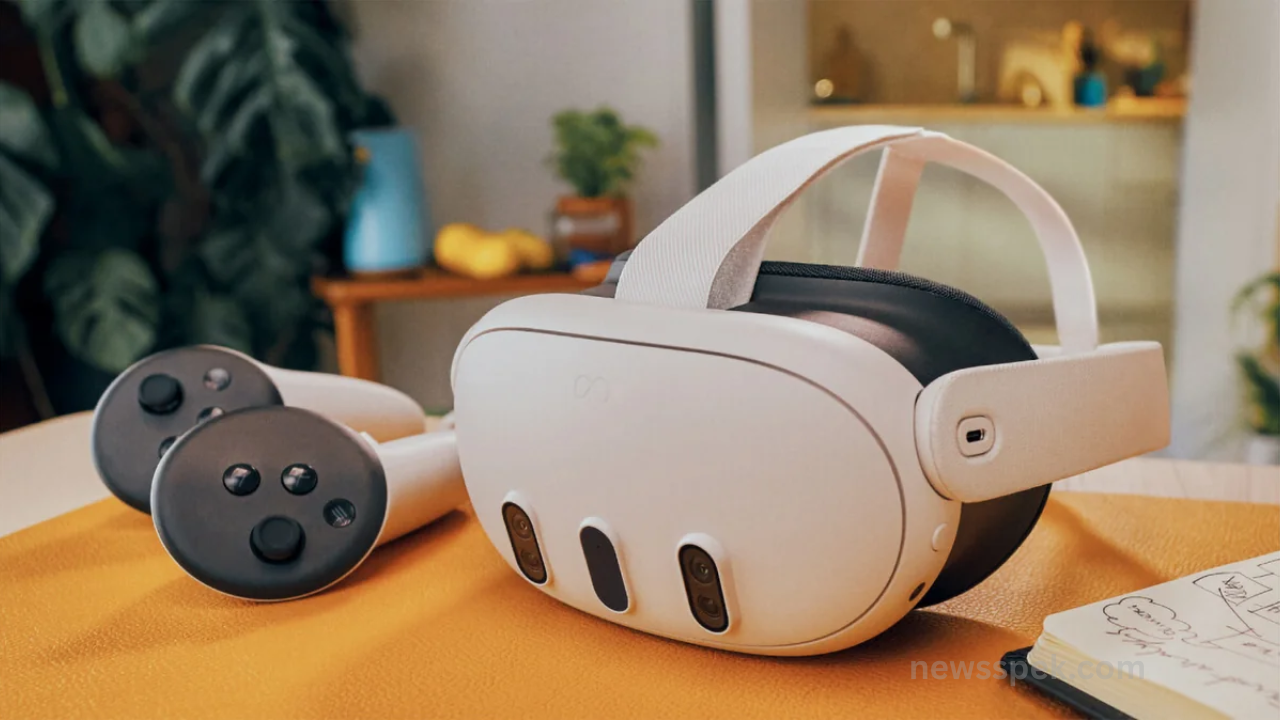
The Meta Quest Shutdown has quietly become one of the most talked about shifts in the virtual reality world. What once promised to transform enterprise training, collaboration, and simulation has now reached an unexpected end. Businesses that invested time, money, and trust into Meta’s VR ecosystem are left reassessing their strategies. This development signals more than a product closure. It reflects changing priorities inside Big Tech and raises serious questions about the future of business focused virtual reality.
Why Meta Quest Shutdown Matters in 2025 and Beyond
The Meta Quest Shutdown is not just another discontinued tech service. It marks a turning point for how enterprises view immersive technology adoption. Over the last few years, VR was marketed as the next essential workplace tool. Remote training, virtual offices, and simulated environments were seen as long term investments.
With Meta stepping back from its business VR program, companies now face uncertainty. Many relied on Meta Quest devices for employee onboarding, safety training, and collaborative design. The shutdown forces organizations to rethink vendor reliability and platform longevity.
This decision also impacts developers. Software teams that built enterprise VR apps for Meta Quest must now migrate or rebuild their products elsewhere. In 2025 and beyond, enterprises may prioritize flexibility and cross platform compatibility instead of locking into a single ecosystem.
Key Features or Main Highlights
Before the Meta Quest Shutdown, the business VR program offered several notable capabilities that attracted enterprise users.
Enterprise Focused VR Hardware
Meta Quest headsets were positioned as accessible and relatively affordable VR devices for businesses. They required minimal setup and worked without external sensors.
Business Management Tools
Companies could manage devices remotely, deploy apps at scale, and control user permissions. These features made Meta Quest appealing for large teams.
Immersive Training Experiences
VR simulations allowed employees to practice tasks in safe virtual environments. Industries like healthcare, manufacturing, and logistics benefited the most.
Collaboration and Virtual Workspaces
Teams could meet in shared virtual spaces, review 3D models, and brainstorm ideas. This aligned well with remote work trends.
Despite these strengths, the Meta Quest Shutdown shows that features alone are not enough if long term support is uncertain.
Latest Trends or Updates About Meta Quest Shutdown
Recent updates suggest the Meta Quest Shutdown is part of a broader strategic realignment at Meta. The company is shifting resources toward consumer experiences, mixed reality entertainment, and AI driven social platforms.
Enterprise customers have reported receiving notices about service wind downs and limited future updates. Support timelines vary, but long term enterprise roadmaps have been effectively halted.
At the same time, competitors are moving fast. Companies like Microsoft, Apple, and specialized VR firms are expanding enterprise offerings. This trend indicates that business VR is not dying, but the leadership landscape is changing.
Another emerging trend is platform agnosticism. Businesses now favor solutions that work across multiple headsets instead of relying on one vendor.
Read More: Controversial Pentagon Troop Deployment Readied for Civil Unrest
Pros & Cons
Pros of Meta Quest Business VR Before Shutdown
- Affordable entry point for enterprise VR adoption
- Easy deployment without complex hardware setups
- Strong developer ecosystem for immersive apps
- Useful for training, simulations, and remote collaboration
Cons Highlighted by Meta Quest Shutdown
- Sudden loss of long term enterprise support
- Businesses forced to migrate or abandon VR solutions
- Reduced trust in vendor commitment to enterprise users
- Potential data and workflow disruptions
The Meta Quest Shutdown highlights the risks of relying too heavily on a single platform.
Real-World Examples or Case Studies
Several organizations have already felt the impact of the Meta Quest Shutdown.
A global manufacturing firm used Meta Quest headsets for factory safety training. After the shutdown announcement, they paused VR onboarding programs and shifted to a mixed vendor approach using web based simulations.
A design agency relied on virtual collaboration spaces for client presentations. With limited updates ahead, they began testing alternatives that support multiple VR and AR devices.
Educational institutions also faced challenges. Some universities that invested in Meta Quest labs for business training modules are now reassessing budgets and exploring open source VR platforms.
These real world cases show that the shutdown affects both operational continuity and strategic planning.
Expert Opinions or Market Predictions
Industry experts view the Meta Quest Shutdown as a recalibration rather than a failure of VR itself. Analysts suggest Meta underestimated the slower adoption cycle of enterprise VR compared to consumer products.
Market researchers predict enterprise VR will continue growing, but with more cautious buyers. Decision makers will demand clearer support commitments and longer product lifecycles.
Some experts believe Apple’s enterprise focused mixed reality strategy could gain momentum as businesses seek premium but stable solutions. Others expect smaller, specialized VR companies to fill the gap left by Meta.
Overall, the consensus is clear. The shutdown reshapes the market, but immersive technology remains relevant.
Common Myths or Misunderstandings
Business VR Is Dead
The Meta Quest Shutdown does not mean business VR is over. It simply means one major player changed direction.
Meta Quest Devices Stop Working Immediately
Most existing devices will continue functioning for now. The main issue is long term updates and enterprise support.
Enterprises Should Avoid VR Altogether
Many companies are still seeing strong ROI from VR training and simulations. The key is choosing flexible platforms.
Only Meta Can Deliver Quality VR
The market includes many capable providers offering enterprise ready VR solutions beyond Meta.
Frequently Asked Questions
What is the Meta Quest Shutdown?
It refers to Meta ending its business focused VR program and enterprise support roadmap.
When will Meta Quest business services fully end?
Timelines vary, but long term enterprise updates are no longer planned.
Will consumer Meta Quest headsets still be supported?
Yes, consumer focused VR experiences remain a priority for Meta.
Can businesses keep using existing Meta Quest devices?
Yes, but future updates, security patches, and support may be limited.
What are alternatives after the Meta Quest Shutdown?
Options include mixed reality platforms from Microsoft, Apple, and specialized enterprise VR vendors.
Does this affect VR training programs?
Some programs may need migration, but VR training itself remains viable.
Is enterprise VR still worth investing in?
Yes, with careful vendor selection and cross platform strategies.
Conclusion
The Meta Quest Shutdown marks a significant moment for the virtual reality industry. It underscores the risks enterprises face when relying on rapidly shifting tech strategies. While Meta’s exit from business VR creates short term disruption, it also opens opportunities for innovation and diversification. Companies that adapt quickly, choose flexible platforms, and learn from this transition will be better positioned to benefit from immersive technology in the years ahead.