


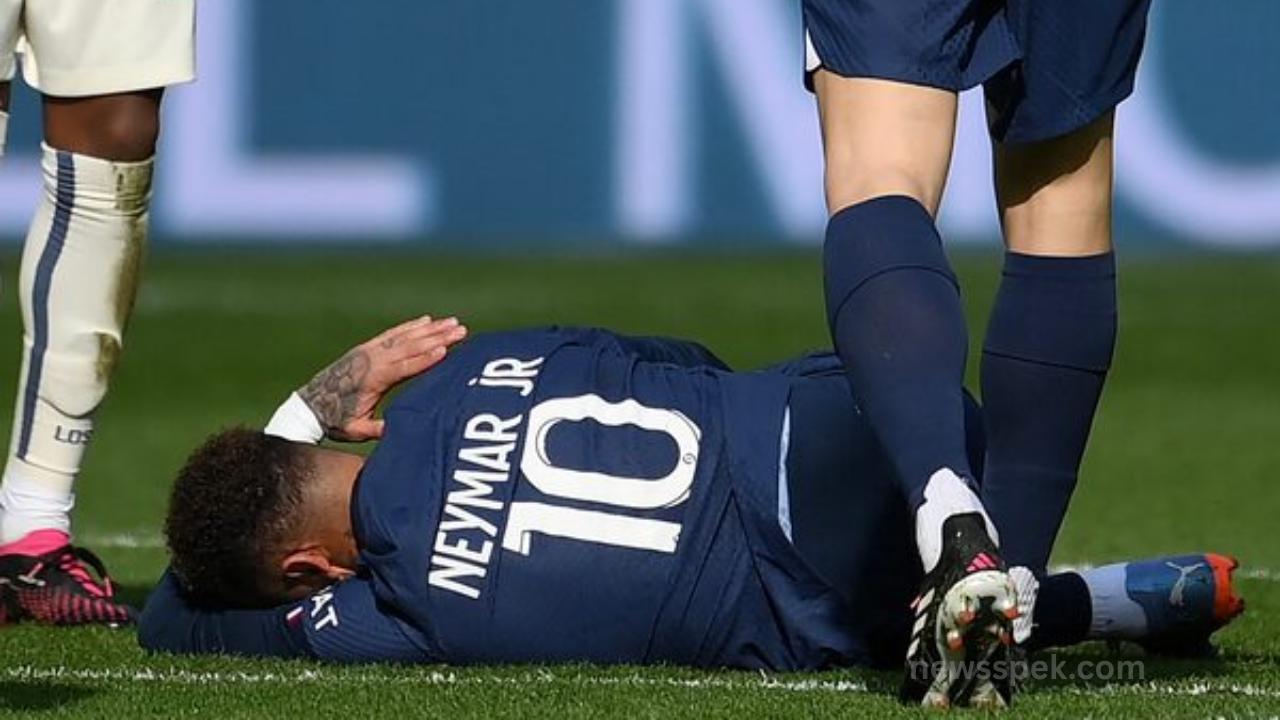
When news breaks that a star quarterback is facing Season ending Surgery, the shockwaves travel far beyond the locker room. Fans worry about championships, franchises rethink strategies, and the player faces the toughest challenge of their career. In today’s hyper-competitive football landscape, a single injury can redefine legacy, contracts, and even the future of a team. This article explores why season-ending procedures matter now more than ever.
Why Season ending Surgery Matters in 2025 and Beyond
In modern football, quarterbacks are more than just players. They are multi-million dollar investments, brand ambassadors, and the emotional core of a franchise. A Season ending Surgery does not just remove a player from the field. It can alter playoff odds, reshape team finances, and influence long-term roster decisions.
With faster defenses and longer seasons, injuries have become more complex. Medical teams now balance immediate recovery with long-term health. In 2025 and beyond, these surgeries will increasingly determine whether a quarterback returns to elite form or transitions into a different phase of their career.
Another major factor is guaranteed contracts. Teams must plan for cap space while an injured star recovers. This makes season-ending medical decisions a front-office issue, not just a medical one.
Key Features or Main Highlights
Nature of the Injury
Most cases of Season ending Surgery involve severe ligament tears, shoulder reconstruction, spinal issues, or complex fractures. These injuries require months of rehabilitation and careful load management.
Recovery Timeline
Recovery is rarely linear. While initial projections may promise a return in six to nine months, setbacks are common. Quarterbacks rely heavily on throwing mechanics, making precision recovery essential.
Impact on Team Performance
When a franchise quarterback goes down, teams often struggle offensively. Playbooks shrink, backup quarterbacks face pressure, and coaching strategies must adapt quickly.
Psychological Recovery
Beyond physical healing, mental recovery plays a huge role. Confidence in the injured limb or joint often determines how effective a quarterback is after surgery.
Latest Trends or Updates About Season ending Surgery
Medical advancements are reshaping how Season ending Surgery is approached. In recent years, teams have invested heavily in sports science, AI-driven rehab programs, and personalized recovery plans.
One emerging trend is prehabilitation. This focuses on strengthening surrounding muscles even before surgery takes place. Another update is the use of motion-capture technology to rebuild throwing mechanics safely.
Stem cell therapy and biologics are also gaining attention. While still regulated, they promise faster healing and reduced inflammation. As these treatments evolve, recovery timelines could shorten significantly.
Load management is another trend. Instead of rushing players back, teams now prioritize long-term durability. This cautious approach aims to extend careers rather than gamble on quick returns.
Read More: Severe Winter Storm Warning Predicts 4 Feet of Snow This Week
Pros & Cons
Pros
- Advances in medical technology improve recovery outcomes
- Personalized rehab plans reduce re-injury risk
- Long-term player health is prioritized more than before
- Some quarterbacks return stronger and more disciplined
Cons
- Long recovery periods can disrupt team momentum
- Risk of never returning to peak performance
- Psychological pressure on the injured player
- Financial strain due to guaranteed contracts
Real-World Examples or Case Studies
Elite Quarterback Comeback
A well-known MVP quarterback underwent Season ending Surgery after a major knee injury. Initially written off, he followed a strict rehab plan and returned the next season with improved pocket awareness and reduced injury risk. His comeback proved that modern recovery methods can restore elite performance.
Career Altered Forever
Another star passer suffered a shoulder injury requiring complex surgery. Although he returned to play, his throwing velocity declined. Teams adjusted playcalling, but his role shifted over time, showing that not all recoveries lead back to stardom.
Team Rebuild Trigger
In some cases, a season-ending operation pushes teams into rebuilding mode. A franchise may draft a young quarterback while the injured star recovers, leading to tough decisions once the veteran is cleared.
Expert Opinions or Market Predictions
Sports surgeons agree that Season ending Surgery outcomes have improved dramatically over the last decade. According to orthopedic specialists, success now depends more on post-surgery discipline than the procedure itself.
Analysts predict teams will continue to invest in injury prevention. Expect lighter practice loads, smarter in-game decisions, and improved protective schemes. From a market perspective, quarterbacks recovering from major surgery may see incentive-based contracts instead of long-term guarantees.
Experts also believe fans will become more patient. As awareness grows about long-term health risks, rushing players back may be viewed negatively rather than heroically.
Common Myths or Misunderstandings
Season-ending means career-ending
This is no longer true. Many quarterbacks return successfully after a Season ending Surgery.
Surgery guarantees full recovery
Surgery is only the first step. Rehab quality determines the final outcome.
Younger players recover faster in all cases
While age helps, injury type and discipline matter more than youth alone.
Teams always rush stars back
Modern franchises are more cautious due to financial and reputational risks.
Frequently Asked Questions
What exactly is season ending surgery?
It refers to a medical procedure that rules a player out for the remainder of the season due to recovery time.
How long does recovery usually take?
Recovery can range from six months to over a year depending on injury severity.
Can a quarterback return to peak form?
Yes, many do, but outcomes vary based on rehab and injury type.
Does this affect contract negotiations?
Often yes. Teams may restructure deals or add performance clauses.
Are certain injuries worse than others?
Yes. Shoulder and spinal injuries are generally more concerning for quarterbacks.
Do teams insure players against these injuries?
Many franchises carry insurance, but coverage varies widely.
Is prevention improving in modern football?
Yes. Better training, analytics, and load management are reducing injury risks.
Conclusion
A Season ending Surgery is one of the most defining moments in a quarterback’s career. It tests physical limits, mental strength, and organizational patience. In 2025 and beyond, these surgeries are no longer automatic career death sentences. With advanced medicine, smarter recovery plans, and evolving team strategies, many stars find a way back. Still, each case carries uncertainty, making every injury a pivotal chapter in football history.