


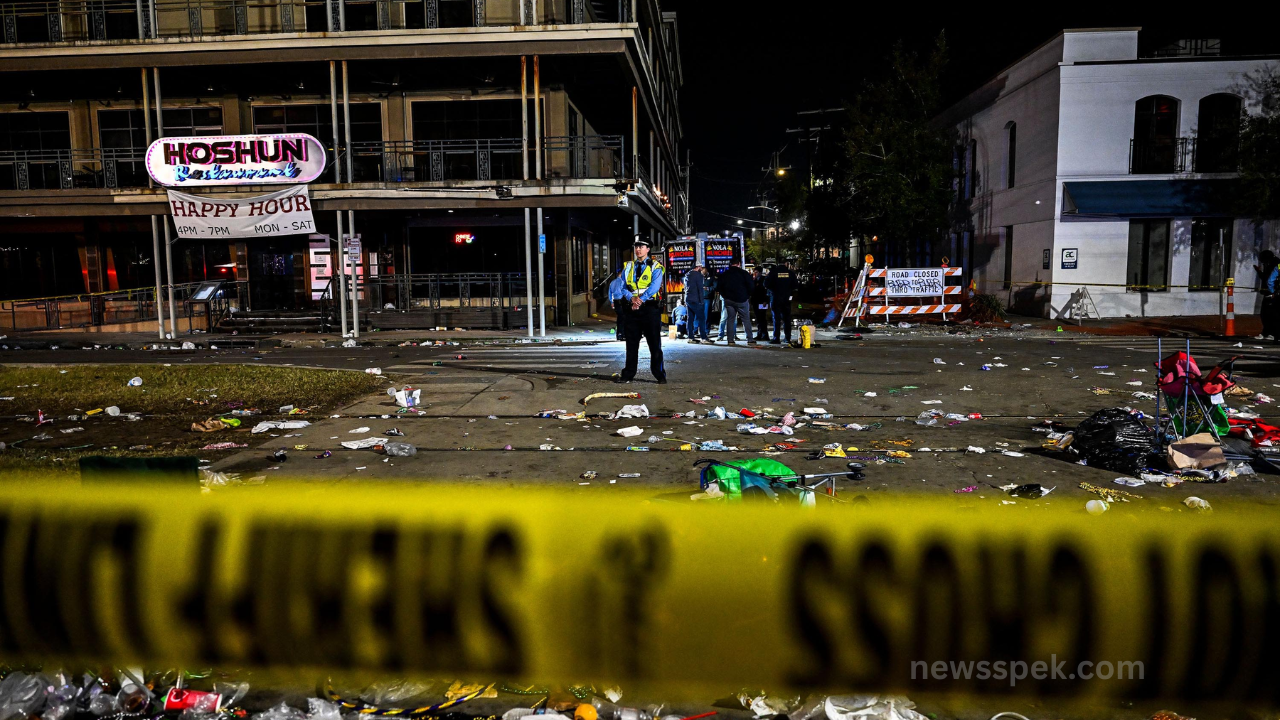
A shocking New Orleans Shooting at a historic restaurant has left one person dead and an entire community shaken. In a city celebrated for culture, cuisine, and resilience, violent incidents like this strike a painful chord. Beyond the immediate tragedy, the event has reignited serious conversations about public safety, gun violence, and the future of community spaces in New Orleans. Understanding what happened and why it matters—goes far beyond the headlines.
Why New Orleans Shooting Matters in 2025 and Beyond
The New Orleans Shooting is not just an isolated act of violence. It reflects broader challenges facing major U.S. cities as they navigate crime prevention, tourism recovery, and community trust in 2025 and beyond. New Orleans, known worldwide for its historic neighborhoods and iconic restaurants, depends heavily on safe public spaces.
When violence occurs in culturally significant locations, the impact multiplies. Residents feel unsafe, tourists reconsider travel plans, and business owners fear long-term damage. This New Orleans Shooting has amplified concerns about whether existing safety measures are enough and what steps local authorities must take to protect both locals and visitors.
In the long run, incidents like this shape policy decisions, influence policing strategies, and even affect how historic districts are managed. The conversation is no longer just about one victim, but about preventing the next tragedy.
Key Features or Main Highlights
The New Orleans Shooting at the historic restaurant includes several critical aspects that have drawn public attention and media coverage.
Location Significance
The shooting occurred at a well-known restaurant with deep historical roots. Such venues are often seen as symbols of the city’s identity, making the incident emotionally devastating for the community.
Casualties and Immediate Impact
One life was lost, marking yet another fatal shooting in an urban setting. Emergency responders arrived quickly, but the outcome underscores how sudden and irreversible gun violence can be.
Law Enforcement Response
Police secured the area, launched an investigation, and increased patrols nearby. The New Orleans Shooting prompted immediate reassurances from authorities about public safety, especially in popular dining and tourist zones.
Community Reaction
Residents, business owners, and local leaders expressed grief and anger. Vigils and public statements followed, showing how deeply the tragedy resonated across neighborhoods.
Latest Trends or Updates About New Orleans Shooting
In 2025, the New Orleans Shooting fits into a broader trend of cities reassessing their approach to violent crime. Recent updates and patterns show important developments.
Increased Focus on High-Traffic Areas
Cities are paying closer attention to security in restaurants, nightlife districts, and historic landmarks. After this New Orleans Shooting, discussions around surveillance cameras and visible police presence have intensified.
Gun Violence Prevention Initiatives
Local governments are exploring community-based intervention programs. These focus on conflict resolution, mental health support, and youth engagement to stop violence before it starts.
Media and Public Transparency
Authorities now provide faster updates to the public. Real-time communication helps reduce misinformation and panic following incidents like the New Orleans Shooting.
Business Community Involvement
Restaurant owners and hospitality leaders are collaborating with law enforcement. Their goal is to balance safety with the welcoming atmosphere New Orleans is famous for.
Read More: Urgent FBI Minneapolis Deployment Request Seeks Volunteer Agents
Pros & Cons
While no tragedy has true “pros,” the aftermath of the New Orleans Shooting reveals certain outcomes worth examining.
Pros
- Heightened awareness of public safety concerns
- Stronger community dialogue about gun violence
- Potential policy reforms and improved security measures
- Increased cooperation between businesses and police
Cons
- Loss of life and emotional trauma
- Fear among residents and tourists
- Economic impact on local businesses
- Risk of over-policing or reduced public trust
These pros and cons highlight the complex ripple effects that follow a New Orleans Shooting.
Real-World Examples or Case Studies
The New Orleans Shooting mirrors similar incidents in other U.S. cities, offering valuable lessons.
Restaurant District Violence
In several metropolitan areas, shootings in restaurant or nightlife districts led to coordinated safety plans. These included better lighting, controlled entry points, and community patrols.
Historic Neighborhood Protection
Cities with historic districts have adopted specialized security strategies. By combining preservation efforts with modern safety technology, they reduced crime without harming tourism.
Lessons for New Orleans
From these examples, New Orleans can learn that prevention requires both enforcement and community engagement. The New Orleans Shooting could serve as a turning point if followed by meaningful action.
Expert Opinions or Market Predictions
Experts in criminology and urban planning have weighed in on incidents like the New Orleans Shooting.
Public Safety Experts
Many argue that reactive policing alone is not enough. Long-term safety depends on addressing root causes such as poverty, lack of mental health resources, and easy access to firearms.
Economic Analysts
Tourism markets are sensitive to news of violence. Analysts predict short-term dips in restaurant traffic after high-profile shootings, followed by recovery if strong safety measures are implemented.
Policy Analysts
Some experts believe incidents like this New Orleans Shooting will accelerate debates around gun laws and city funding priorities. Public pressure often increases after tragedies.
Common Myths or Misunderstandings
The New Orleans Shooting has also fueled misinformation. Clearing up myths is essential.
Crime Is Unavoidable in Big Cities
Violence is not inevitable. Cities that invest in prevention and community programs often see significant reductions.
More Police Alone Solves Everything
While policing matters, experts stress that social services and education play equally important roles.
Historic Areas Are Always Safe
Tourist-heavy zones can still be vulnerable. The New Orleans Shooting proves that no area is immune without proper safeguards.
One Incident Defines the City
New Orleans is more than a single tragedy. Its culture and resilience continue despite setbacks.
Frequently Asked Questions
What happened in the New Orleans Shooting?
A fatal shooting occurred at a historic restaurant, resulting in one death and prompting a major police investigation.
Was the area considered safe before?
Yes, it was a popular and well-known location, which is why the incident shocked many residents.
Has a suspect been identified?
Authorities have been actively investigating and sharing updates as information becomes available.
How has the community responded?
Residents and leaders expressed grief, held vigils, and called for stronger safety measures after the New Orleans Shooting.
Will this affect tourism in New Orleans?
Short-term concern is possible, but long-term impact depends on how safety issues are addressed.
What steps are being taken to prevent future incidents?
Increased patrols, security reviews, and community-based prevention programs are under discussion.
How can residents stay informed?
Following official police updates and trusted local news sources is the best way to stay informed.
Conclusion
The New Orleans Shooting at a historic restaurant is a heartbreaking reminder of how fragile public safety can be, even in beloved community spaces. While one life lost is already too many, the broader impact reaches far beyond a single incident. How New Orleans responds, through policy, community action, and prevention, will shape the city’s future. By learning from tragedy and committing to meaningful change, there is hope that such violence can be reduced, preserving the spirit and safety of this iconic city.