


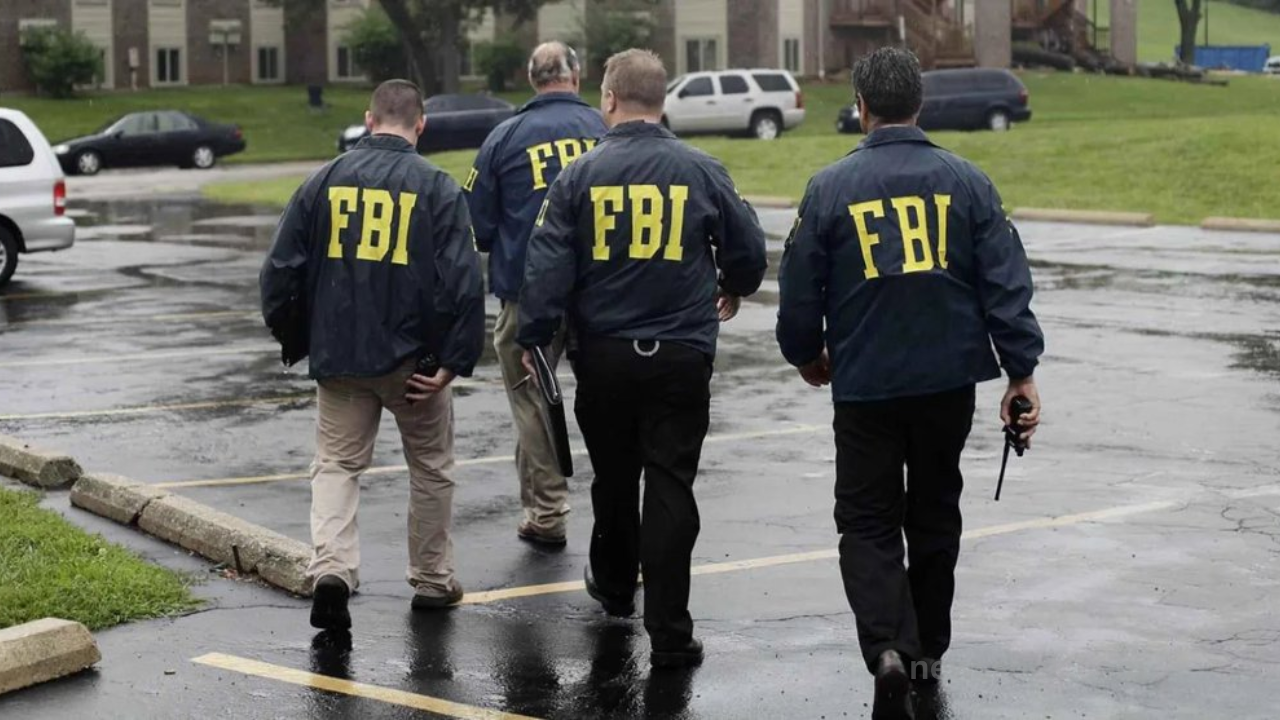
An urgent call from federal authorities has sparked nationwide attention as the FBI Minneapolis Deployment request seeks skilled volunteer agents to address emerging security and investigative needs. This development highlights shifting law enforcement priorities in a rapidly changing threat landscape. As public safety challenges evolve, the Minneapolis field office has become a strategic focal point. Understanding why this deployment matters now can shed light on broader national security trends and the future of federal investigations.
Why FBI Minneapolis Deployment Matters in 2025 and Beyond
The FBI Minneapolis Deployment is not just a routine staffing move. It reflects deeper changes in crime patterns, domestic security concerns, and technological threats expected to intensify through 2025 and beyond.
Minneapolis sits at a crossroads of critical infrastructure, major transportation routes, and diverse communities. This makes the region strategically important for federal oversight. The deployment request underscores how federal agencies are adapting to modern challenges like cybercrime, extremism, and organized fraud networks.
Another key reason this matters is workforce flexibility. By seeking volunteer agents, the FBI signals a shift toward agile response models. Instead of long-term relocations, short-term deployments allow rapid reinforcement where intelligence gaps or operational pressure points arise.
From a long-term perspective, the FBI Minneapolis Deployment could become a blueprint for how federal law enforcement responds to regional surges in criminal activity. It also reflects increased collaboration between federal, state, and local agencies, which is likely to define law enforcement strategy in the coming decade.
Key Features or Main Highlights
The current FBI Minneapolis Deployment request includes several notable features that distinguish it from previous federal staffing efforts.
Volunteer-Based Agent Selection
Unlike mandatory reassignments, this deployment emphasizes voluntary participation. Agents with relevant expertise can opt in, increasing morale and ensuring skill alignment.
Focus on Specialized Skill Sets
Priority is given to agents experienced in:
- Cyber investigations and digital forensics
- Counterterrorism and domestic extremism analysis
- Financial crimes and complex fraud cases
- Intelligence analysis and threat assessment
This targeted approach ensures operational efficiency from day one.
Short-Term, High-Impact Assignments
Most deployment roles are designed to be temporary. This allows the FBI to address urgent needs without disrupting long-term staffing structures across other field offices.
Enhanced Interagency Coordination
The FBI Minneapolis Deployment strengthens coordination with local law enforcement, homeland security units, and regional task forces, improving intelligence sharing and rapid response capabilities.
Latest Trends or Updates About FBI Minneapolis Deployment
Recent updates suggest the FBI Minneapolis Deployment is part of a broader trend within federal agencies to remain adaptable amid unpredictable threats.
One emerging trend is the integration of advanced analytics and AI-driven tools. Agents deployed to Minneapolis are expected to work closely with data scientists to identify crime patterns faster and predict potential threats before they escalate.
Another trend involves community-focused intelligence gathering. Rather than relying solely on traditional surveillance, deployed agents are increasingly engaging with community leaders to build trust and gain localized insights.
Additionally, there is growing emphasis on mental health and resilience support for deployed agents. Recognizing the stress of high-pressure assignments, the FBI has expanded wellness resources during deployments.
These updates indicate that the FBI Minneapolis Deployment is not just about manpower, but about modernizing how federal investigations are conducted in dynamic urban environments.
Read More: Devastating Bo Nix Injury Ends Season, Requires Surgery Immediately
Pros & Cons
Like any large-scale federal initiative, the FBI Minneapolis Deployment comes with advantages and potential drawbacks.
Pros
- Rapid reinforcement of critical investigations
- Access to specialized talent without permanent transfers
- Improved collaboration with regional law enforcement
- Enhanced intelligence coverage in a high-priority area
Cons
- Temporary deployments may limit long-term continuity
- Volunteers may face increased workload stress
- Short notice can disrupt agents’ personal schedules
- Knowledge transfer challenges once deployments end
Balancing these factors is essential to ensure the deployment achieves its intended impact.
Real-World Examples or Case Studies
Historically, similar deployment models have proven effective. Following major cybercrime surges in other regions, volunteer-based federal deployments helped dismantle large fraud rings within months.
In one notable case, a temporary FBI task force deployed to a Midwestern city successfully disrupted a coordinated ransomware network targeting hospitals. Agents brought in from multiple field offices contributed specialized expertise, leading to swift arrests and system recoveries.
The FBI Minneapolis Deployment draws from these precedents. Early indicators suggest that concentrated, skill-based deployments can accelerate case resolution and reduce long-term threats when executed effectively.
Expert Opinions or Market Predictions
Security analysts and former federal officials largely view the FBI Minneapolis Deployment as a proactive and strategic move.
Many experts predict that volunteer deployments will become more common as agencies face budget constraints and evolving threats. This flexible model allows leadership to respond quickly without committing to permanent structural changes.
Some analysts also suggest that Minneapolis could serve as a testing ground for new investigative technologies. If successful, tools and strategies refined during this deployment may roll out nationwide.
Looking ahead, experts believe this approach will strengthen federal readiness, especially as cybercrime, domestic threats, and financial fraud continue to grow in complexity.
Common Myths or Misunderstandings
Despite public interest, several misconceptions surround the FBI Minneapolis Deployment.
The deployment signals a major crisis
In reality, proactive deployments often occur before situations escalate. This move reflects preparedness, not panic.
Local law enforcement is being replaced
Federal agents supplement, not replace, local police. The deployment enhances cooperation rather than overriding local authority.
All agents are forced to relocate
Participation is voluntary, focusing on agents who choose to contribute their expertise.
Deployments are purely reactive
Many federal deployments aim to prevent future incidents by addressing early warning signs.
Clarifying these misunderstandings helps the public better understand the purpose and value of the initiative.
Frequently Asked Questions
What is the FBI Minneapolis Deployment?
It is a volunteer-based request for FBI agents to temporarily support investigations and operations in the Minneapolis field office.
Why is Minneapolis a priority location?
The region holds strategic importance due to infrastructure, population diversity, and emerging security concerns.
Who can volunteer for the deployment?
Agents with relevant experience in cybercrime, intelligence, counterterrorism, and financial investigations are encouraged to apply.
Is the deployment permanent?
No, most roles are short-term assignments designed to address immediate needs.
How does this impact local communities?
It enhances public safety through increased investigative capacity and stronger interagency cooperation.
Will more deployments like this happen?
Experts believe similar deployment models will become more common nationwide.
Does this affect national security strategy?
Yes, it reflects a shift toward flexible, intelligence-driven federal response models.
Conclusion
The FBI Minneapolis Deployment represents a strategic evolution in how federal law enforcement responds to modern challenges. By leveraging volunteer agents, specialized skills, and short-term assignments, the FBI aims to address urgent needs while remaining adaptable. As security threats grow more complex, initiatives like this highlight a future focused on agility, collaboration, and proactive protection. Understanding this deployment offers valuable insight into the direction of federal investigations in 2025 and beyond.