


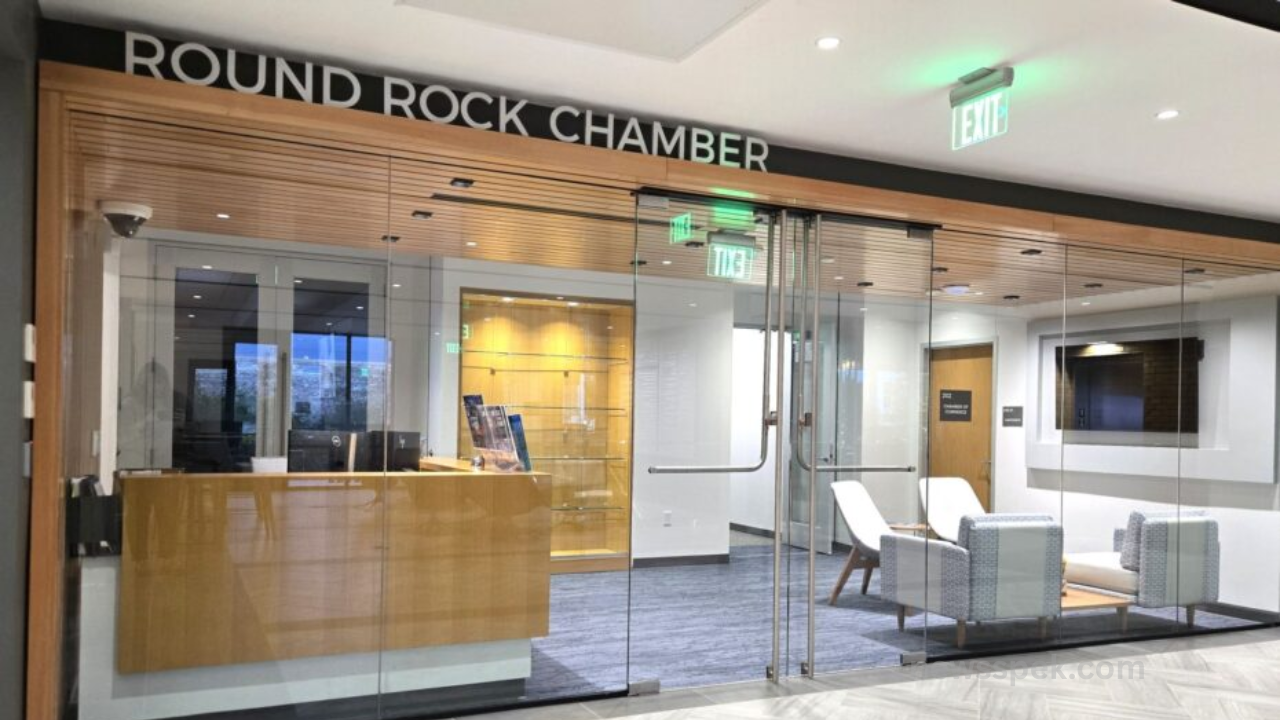
Round Rock is no longer just a quiet suburb outside Austin. It is quickly becoming one of Texas’s most exciting economic hotspots. Fueled by innovation, population growth, and strategic investments, Round Rock Businesses are at the center of a massive development boom heading into 2026. From tech startups to manufacturing giants, local enterprises are reshaping the city’s future while attracting national attention and long term opportunities.
Why Round Rock Businesses Matters in 2025 and Beyond
Round Rock’s economic rise is not accidental. It is the result of smart planning, strong infrastructure, and a business friendly environment that continues to attract entrepreneurs and investors.
Strategic Location and Connectivity
Round Rock sits along the I 35 corridor, offering seamless access to Austin, Dallas, and San Antonio. This makes logistics, commuting, and regional trade far easier for companies operating here.
Business Friendly Policies
Local government incentives, streamlined permitting, and workforce development programs make Round Rock Businesses more competitive than many nearby markets.
Population Growth Fuels Demand
With steady population growth, demand for housing, healthcare, retail, and services continues to rise. Businesses benefit from a growing customer base and a strong local labor pool.
Economic Resilience
Round Rock has diversified beyond a single industry. Technology, healthcare, manufacturing, retail, and professional services all play key roles in sustaining long term economic stability.
Key Features or Main Highlights
Round Rock’s development boom is defined by several standout features that directly support business growth.
Expanding Commercial Real Estate
New office parks, mixed use developments, and industrial spaces are being built to meet rising demand.
Key highlights include:
- Modern business parks near major highways
- Flexible office spaces for startups and mid sized firms
- Warehousing and distribution centers for e commerce growth
Skilled Workforce Pipeline
Local colleges and training centers collaborate with employers to ensure job ready talent.
Notable strengths:
- STEM focused education programs
- Technical training aligned with employer needs
- Strong talent retention due to quality of life
Infrastructure Investments
Transportation upgrades, broadband expansion, and utility improvements make operations smoother for Round Rock Businesses.
Quality of Life Advantage
Affordable housing, excellent schools, and recreational amenities help attract skilled professionals and business owners alike.
Latest Trends or Updates About Round Rock Businesses
As 2026 approaches, several trends are shaping the local business landscape.
Tech and Innovation Expansion
Round Rock continues to attract software companies, data centers, and IT service providers. Proximity to Austin’s tech ecosystem provides collaboration opportunities without Austin’s higher costs.
Manufacturing and Advanced Production
Advanced manufacturing is growing, particularly in electronics, medical devices, and precision equipment.
Retail and Hospitality Growth
New shopping centers, restaurants, and hotels are opening to serve residents and visitors. Experiential retail is becoming more common.
Small Business and Startup Momentum
Entrepreneurs are launching service based businesses, creative agencies, and niche retail stores supported by incubators and coworking spaces.
Sustainability Focus
More Round Rock Businesses are adopting energy efficient buildings, waste reduction practices, and sustainable supply chains.
Read More: Career-Threatening Season Ending Surgery for Star Quarterback
Pros & Cons
Every fast growing business hub has advantages and challenges.
Pros
- Strong economic growth and investment inflow
- Business friendly local policies
- Access to skilled talent
- Lower costs compared to Austin
- Diverse industry presence
Cons
- Increasing competition for talent
- Rising commercial real estate prices
- Traffic congestion during peak hours
- Pressure on infrastructure due to rapid growth
Real-World Examples or Case Studies
Dell Technologies and Long Term Impact
Dell’s presence has long anchored Round Rock’s economy. Its continued operations support thousands of jobs and attract suppliers, service firms, and tech startups.
Mixed Use Developments Revitalizing Commerce
Projects combining offices, retail, and residential spaces have created walkable business districts. These developments support local restaurants, professional services, and entertainment venues.
Small Business Success Stories
Local coffee shops, fitness studios, and digital marketing agencies have expanded rapidly by serving both residents and corporate clients. Many started small and scaled thanks to local demand and supportive networks.
Expert Opinions or Market Predictions
Economic analysts and real estate experts are optimistic about the future of Round Rock Businesses.
Continued Growth Through 2026
Most forecasts predict steady expansion rather than a short term boom. This suggests sustainable development rather than speculative growth.
Increased Corporate Relocations
As companies seek cost effective alternatives to Austin, Round Rock is expected to capture more headquarters and regional offices.
Innovation Driven Economy
Experts highlight innovation and technology adoption as key drivers. Businesses that embrace automation, AI tools, and digital platforms are expected to outperform competitors.
Strong Commercial Property Demand
Office, industrial, and retail properties are projected to remain in high demand, especially near transportation hubs.
Common Myths or Misunderstandings
Round Rock Is Only for Big Corporations
Reality shows a thriving small business ecosystem. Startups and family owned companies play a major role in the local economy.
Growth Will Slow After 2025
Data suggests otherwise. Development pipelines and investment commitments extend well into 2026 and beyond.
It’s Just an Austin Spillover
While Austin influences growth, Round Rock Businesses have developed their own identity and independent economic strength.
Costs Are No Longer Affordable
Although prices are rising, Round Rock remains more affordable than many competing metro areas in Texas.
Frequently Asked Questions
What types of businesses are growing fastest in Round Rock?
Technology, healthcare, manufacturing, and retail sectors are expanding rapidly.
Is Round Rock good for small business owners?
Yes, the city offers strong local demand, support programs, and reasonable operating costs.
How does Round Rock compare to Austin for businesses?
Round Rock offers lower costs, less congestion, and easier permitting while still being close to Austin’s resources.
Are there incentives for new businesses?
Local and state incentives are available, especially for job creating and innovative companies.
Is the workforce skilled enough for tech companies?
Yes, partnerships with schools and training centers provide a strong talent pipeline.
Will real estate prices continue to rise?
Most experts expect gradual increases due to strong demand and limited supply.
Is Round Rock a long term business hub?
Market trends suggest sustained growth and long term economic stability.
Conclusion
Round Rock is entering 2026 with momentum, confidence, and a clear economic vision. Powered by innovation, infrastructure, and community support, Round Rock Businesses are driving a development boom that shows no signs of slowing. For entrepreneurs, investors, and established companies alike, Round Rock represents a balanced opportunity where growth meets sustainability. As the city continues to evolve, businesses that establish roots here now are well positioned to thrive for years to come.