


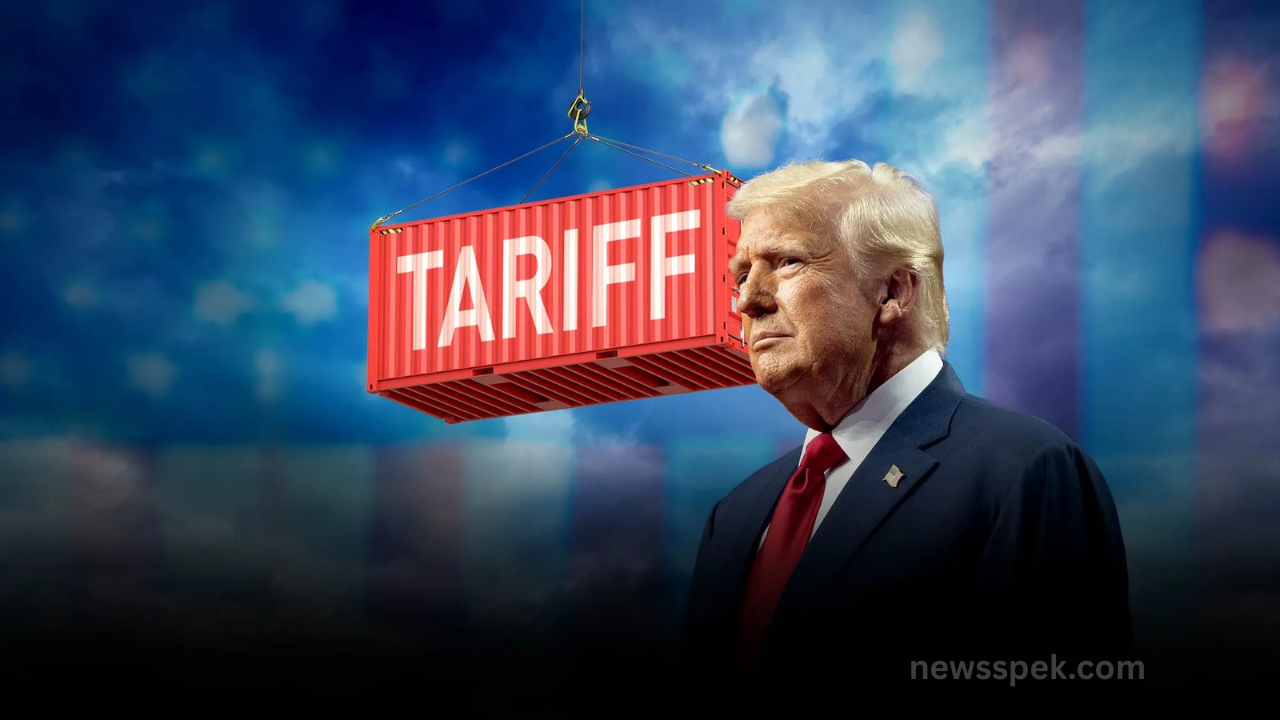
Economic headlines are once again dominated by trade tensions as Trump Tariff Threats return to the global spotlight. Businesses, investors, and everyday consumers are closely watching how these proposed tariffs could reshape markets, prices, and international relationships. In the first weeks of renewed debate, uncertainty has already begun to ripple through supply chains and financial systems. Understanding what these tariff threats mean is critical for anyone trying to prepare for the economic landscape ahead.
Why Trump Tariff Threats Matters in 2025 and Beyond
Trump Tariff Threats matter because they go far beyond simple import taxes. They influence global trade balances, diplomatic relations, and long term economic stability. In 2025 and beyond, the world economy is more interconnected than ever, making tariff policies especially powerful.
Rising geopolitical tensions, fragile supply chains, and post pandemic recovery challenges mean that new tariffs could amplify existing vulnerabilities. Even the discussion of tariffs can slow business investment and alter consumer behavior.
Impact on Global Trade Stability
Tariffs introduced or threatened by major economies often lead to retaliation. This creates a cycle where multiple countries impose trade barriers, reducing overall trade volumes.
Key consequences include:
- Reduced exports for domestic producers
- Higher costs for imported raw materials
- Slower global economic growth
Effects on Domestic Businesses
For US based companies, Trump Tariff Threats can create planning difficulties. Firms that rely on imported components face higher production costs, while exporters risk losing access to foreign markets.
Small and medium enterprises are particularly exposed because they have fewer resources to absorb sudden cost increases.
Long Term Economic Confidence
Markets thrive on predictability. Persistent tariff threats undermine confidence, causing investors to delay decisions. Over time, this can lead to slower innovation, reduced hiring, and weaker economic momentum.
Key Features or Main Highlights
Trump Tariff Threats share several defining characteristics that distinguish them from traditional trade policies.
Broad Scope of Targeted Goods
Unlike narrowly focused tariffs, these threats often cover wide categories such as steel, automobiles, electronics, and consumer goods. This broad scope increases their overall economic impact.
Strategic Use as Negotiation Tools
Tariffs are frequently positioned as leverage in trade negotiations. The intention is to pressure other nations into revising trade agreements or reducing trade deficits.
Rapid Announcement Cycles
Another key feature is the speed at which tariff threats are announced. Markets often react immediately, even before policies are finalized.
Emphasis on Domestic Manufacturing
A central theme is the promotion of domestic production. The idea is to encourage companies to manufacture goods locally rather than relying on foreign suppliers.
Latest Trends or Updates About Trump Tariff Threats
Recent developments suggest that Trump Tariff Threats remain a dynamic and evolving issue.
Renewed Focus on China and Strategic Rivals
Trade discussions increasingly emphasize competition with China and other strategic rivals. Tariff threats are framed as tools to counter unfair trade practices and protect national security.
Market Volatility Linked to Policy Signals
Stock markets and currency exchanges have shown sensitivity to tariff related statements. Even rumors can trigger price swings.
Supply Chain Reconfiguration
Companies are actively diversifying supply chains to reduce exposure. This includes shifting production to alternative countries or increasing domestic sourcing.
Consumer Price Concerns
Economists warn that tariffs may contribute to higher consumer prices. Inflationary pressures are a key concern as households already face rising living costs.
Read More: Powerful TBS Strategic Partnership With Legendary Entertainment
Pros & Cons
Understanding both sides of Trump Tariff Threats helps clarify why the issue remains controversial.
Pros
- Encourages domestic manufacturing and job creation
- Strengthens negotiating position in trade talks
- Reduces dependence on foreign suppliers
- Addresses trade imbalances in certain sectors
Cons
- Increases costs for businesses and consumers
- Triggers retaliatory tariffs from other countries
- Disrupts global supply chains
- Creates economic uncertainty and market volatility
Real-World Examples or Case Studies
Looking at past instances provides insight into how Trump Tariff Threats might play out.
Steel and Aluminum Tariffs
Previous tariffs on steel and aluminum aimed to protect domestic producers. While some US manufacturers benefited, downstream industries faced higher input costs.
Automobile makers reported increased expenses, which were often passed on to consumers.
Agricultural Sector Retaliation
When tariffs were imposed on Chinese goods, China responded with tariffs on US agricultural exports. Farmers experienced reduced demand and required government support programs.
Technology and Electronics
Tariff threats targeting electronics raised concerns about higher prices for smartphones, laptops, and household devices. Retailers warned consumers to expect price increases.
Expert Opinions or Market Predictions
Economists and market analysts remain divided on the long term impact of Trump Tariff Threats.
Economic Growth Forecasts
Many experts predict that sustained tariff conflicts could shave percentage points off global GDP growth. Reduced trade efficiency often translates into slower expansion.
Inflation Expectations
Analysts caution that tariffs act like taxes on imports. This can push inflation higher, forcing central banks to adjust interest rate policies.
Business Investment Trends
Uncertainty surrounding trade policy discourages long term investment. Companies prefer stable environments when committing capital to new projects.
Strategic Shifts in Trade Policy
Some experts believe tariff threats may accelerate regional trade agreements. Countries may seek closer ties with alternative partners to reduce exposure.
Common Myths or Misunderstandings
Public debate around Trump Tariff Threats often includes misconceptions.
Tariffs Only Hurt Foreign Countries
In reality, domestic consumers and businesses often bear much of the cost through higher prices.
Tariffs Always Create Jobs
While some industries benefit, others may lose jobs due to higher costs and reduced exports.
Tariff Threats Are Short Term Tools
Even temporary threats can have lasting effects by altering supply chains and investment decisions.
Trade Wars Are Easy to Win
History shows that trade conflicts are complex and outcomes are unpredictable.
Frequently Asked Questions
What are Trump Tariff Threats?
They refer to proposed or announced plans to impose import taxes on goods from specific countries to influence trade behavior.
Why do markets react so strongly to tariff news?
Markets value stability. Tariff threats introduce uncertainty that affects profits, costs, and growth expectations.
Do tariffs help domestic workers?
They can help certain sectors but may harm others, making the overall effect mixed.
How do tariffs affect consumers?
Tariffs often lead to higher prices for imported goods and products that rely on imported components.
Can other countries retaliate?
Yes, retaliation is common and can escalate into broader trade disputes.
Are tariff threats permanent?
Not always. Some are negotiating tactics, while others become long term policies.
What should businesses do to prepare?
Diversifying suppliers and monitoring policy developments can help reduce risk.
Conclusion
Trump Tariff Threats continue to shape economic discussions and market behavior, creating uncertainty that affects governments, businesses, and consumers alike. While proponents argue that tariffs strengthen domestic industries and improve trade terms, critics warn of higher prices, retaliation, and slower growth. As 2025 approaches, the true impact of these tariff threats will depend on how policies evolve and how global partners respond. Staying informed remains essential in navigating this uncertain economic environment.