


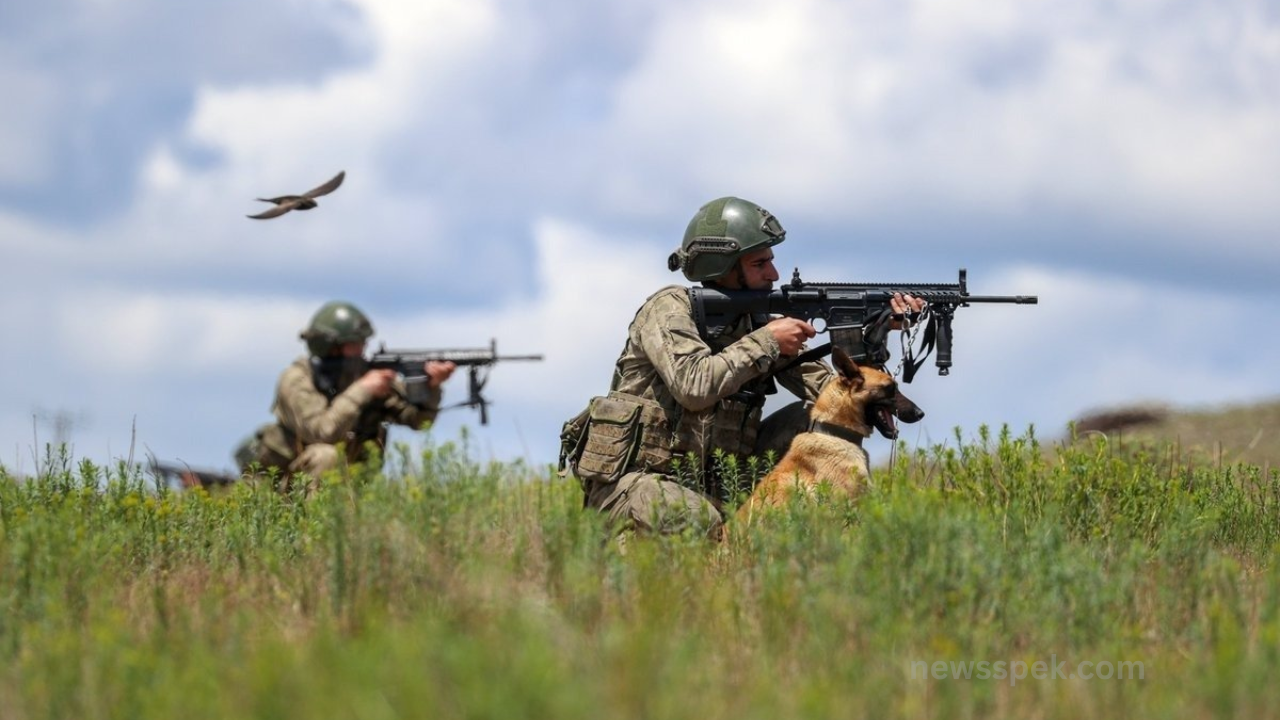
Syria has remained at the center of global security discussions for more than a decade. In recent years, Syria Counterterrorism Operations have intensified, focusing on dismantling extremist networks and restoring stability across key regions. These operations are not just military actions; they shape regional security, international cooperation, and future peace efforts. Understanding their scope, impact, and direction helps readers grasp why Syria continues to matter in global counterterrorism strategies today.
Why Syria Counterterrorism Operations Matters in 2025 and Beyond
The importance of Syria Counterterrorism Operations has grown significantly as global security threats evolve. Extremist groups adapt quickly, using technology, regional instability, and online recruitment to survive. Syria’s geographic position makes it a strategic crossroads linking the Middle East, Europe, and parts of Asia.
In 2025 and beyond, counterterrorism efforts in Syria influence:
- Regional stability across the Middle East
- International security cooperation
- Refugee movements and humanitarian conditions
- The future of extremist ideology containment
As conflicts elsewhere de-escalate, Syria remains a testing ground for modern counterterrorism frameworks. Lessons learned here are often applied to other conflict zones facing similar asymmetric threats.
Key Features or Main Highlights
Coordinated Military and Intelligence Efforts
One defining feature of Syria Counterterrorism Operations is coordination. Military units increasingly work alongside intelligence agencies to identify high-value targets with precision. This reduces collateral damage and improves operational success rates.
Focus on Leadership Neutralization
Rather than large-scale offensives, recent operations emphasize neutralizing leadership figures. Removing commanders disrupts communication, financing, and recruitment pipelines within extremist networks.
Use of Advanced Surveillance Technology
Modern surveillance tools, including drones and signal intelligence, play a critical role. These technologies help track movements, monitor border regions, and prevent regrouping of militant cells.
Local Partnerships and Ground Intelligence
Local forces and community networks provide essential ground intelligence. Their familiarity with terrain and social dynamics enhances the effectiveness of Syria counterterrorism strategies.
Latest Trends or Updates About Syria Counterterrorism Operations
Shift Toward Precision-Based Operations
Recent trends show a move away from broad military campaigns. Precision strikes and targeted raids now dominate operational planning. This approach minimizes civilian impact while maintaining pressure on extremist groups.
Increased International Collaboration
Global powers continue to share intelligence and logistical support. Joint task forces and information-sharing agreements have strengthened Syria Counterterrorism Operations at multiple levels.
Emphasis on Border Security
Securing borders has become a priority. Preventing the movement of fighters and weapons limits the ability of terrorist groups to regroup or expand into neighboring regions.
Integration of Cyber Counterterrorism
Extremist groups rely heavily on online platforms. Cyber monitoring and digital disruption efforts now complement physical operations on the ground.
Read More: Surprising Greenland Trade Relations Shift Amid New Tariff Wars
Pros & Cons
Pros
- Weakens extremist leadership and operational capacity
- Improves regional and international security
- Encourages intelligence sharing between nations
- Reduces large-scale attacks through early intervention
Cons
- Risk of civilian displacement in conflict zones
- Long-term stability depends on political solutions
- Requires sustained funding and international commitment
- Possibility of extremist groups re-emerging in new forms
Real-World Examples or Case Studies
Disruption of Militant Cells in Northern Syria
Recent operations in northern regions successfully dismantled sleeper cells planning cross-border attacks. Intelligence-led raids resulted in arrests and seizures of weapons caches without major civilian impact.
Targeted Operations Against High-Value Leaders
Several high-ranking militant leaders were neutralized through precise intelligence coordination. These actions significantly reduced recruitment and operational planning capabilities of their groups.
Community-Based Intelligence Success
Local informant networks helped identify safe houses and supply routes. This collaboration showcased how community engagement strengthens Syria Counterterrorism Operations beyond military force alone.
Expert Opinions or Market Predictions
Security analysts widely agree that Syria Counterterrorism Operations will remain a long-term necessity. Experts predict continued reliance on:
- Precision strikes over conventional warfare
- Intelligence fusion centers for real-time data analysis
- Regional alliances to manage cross-border threats
Many believe future success depends on pairing security efforts with economic recovery and governance reforms. Without addressing root causes like unemployment and social fragmentation, military gains may prove temporary.
Common Myths or Misunderstandings
Counterterrorism Means Constant Large-Scale Warfare
In reality, most modern operations are targeted and intelligence-driven. Large troop deployments are now the exception, not the rule.
Terrorist Threats Are Completely Eliminated
Counterterrorism reduces threats but rarely eliminates them entirely. Ongoing vigilance remains essential.
Only Military Force Is Used
Syria counterterrorism strategies include intelligence work, financial tracking, cyber monitoring, and local partnerships.
Operations Ignore Civilian Impact
Current planning places significant emphasis on minimizing civilian harm and protecting infrastructure where possible.
Frequently Asked Questions
What are Syria Counterterrorism Operations?
They are coordinated military, intelligence, and security actions aimed at dismantling extremist groups operating within Syria.
Why are these operations still necessary?
Extremist networks continue to adapt and pose regional and international security risks.
Who supports these operations?
They involve Syrian forces along with varying degrees of international intelligence and logistical support.
Are civilians affected by these actions?
Modern operations aim to minimize civilian impact through precision and intelligence-led planning.
How do these operations affect regional stability?
Successful actions reduce cross-border threats and improve overall security in neighboring countries.
Will counterterrorism efforts end soon?
Experts suggest they will continue as long as extremist threats persist.
Do these operations include cyber monitoring?
Yes, digital surveillance and online disruption are now key components.
Conclusion
Syria Counterterrorism Operations play a critical role in shaping security outcomes across the Middle East and beyond. Their evolution toward precision, intelligence integration, and international cooperation reflects lessons learned over years of conflict. While challenges remain, these operations continue to neutralize key threats and prevent the resurgence of extremist networks. Long-term success will depend on combining security measures with political stability, economic recovery, and community resilience.