


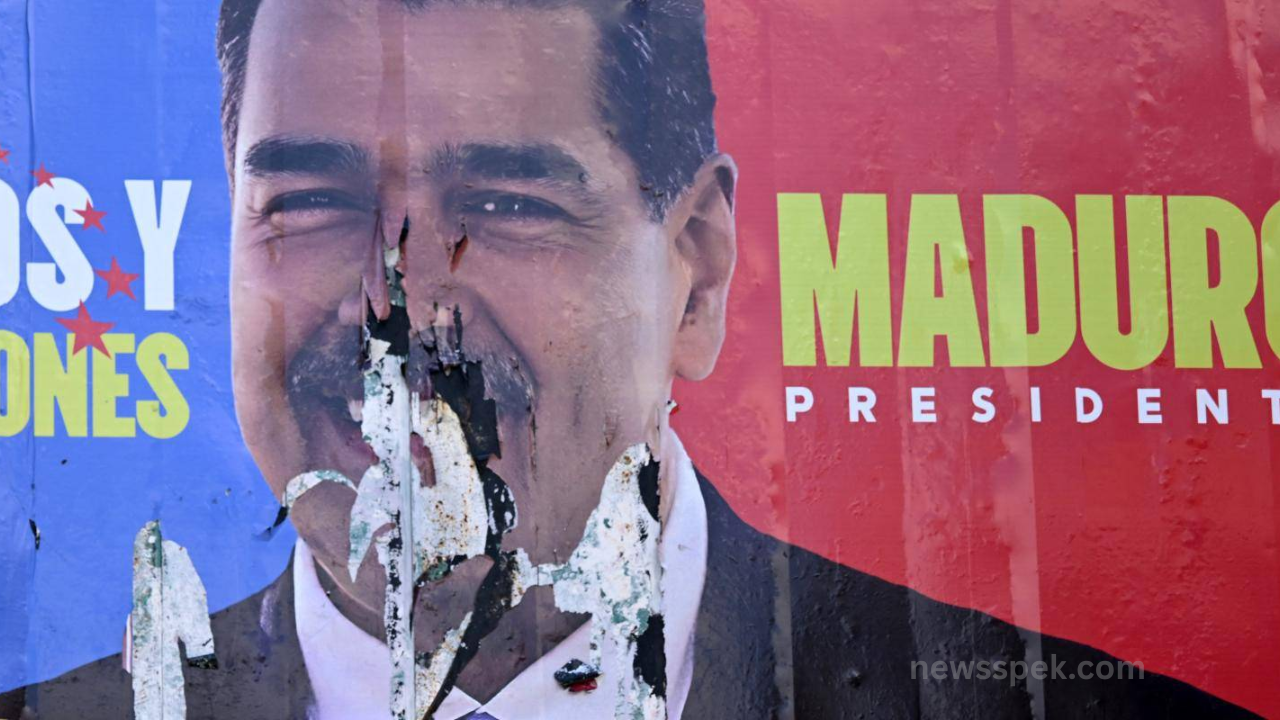
The debate over Maduro Removal Support has become one of the most polarizing issues in US foreign policy. Some leaders see regime change as essential for restoring democracy in Venezuela, while others warn of instability and unintended consequences. As economic pressure, diplomatic efforts, and political divisions grow, understanding this issue in 2025 is critical for anyone following international relations, energy markets, or Latin American politics.
Why Maduro Removal Support Matters in 2025 and Beyond
Maduro Removal Support matters today because Venezuela is no longer just a regional issue. It affects global oil supply, migration flows, and geopolitical alliances. The US remains split on whether removing Nicolas Maduro would stabilize the region or deepen chaos.
Venezuela holds one of the world’s largest proven oil reserves. Any shift in leadership could reshape energy markets already under strain. At the same time, millions of Venezuelans have fled the country, creating humanitarian and political pressure across Latin America and the United States.
Another reason Maduro Removal Support remains relevant is the growing influence of China, Russia, and Iran in Venezuela. US policymakers worry that inaction strengthens rival powers, while aggressive action could backfire diplomatically.
Key Features or Main Highlights
The debate around Maduro Removal Support is complex, with several defining features shaping policy discussions.
Political Division Within the US
US lawmakers, diplomats, and analysts are far from united. Some advocate firm action to remove Maduro, while others favor negotiations.
Key points driving this division include:
- Differing views on sovereignty and intervention
- Concerns over military escalation
- Economic impacts on global oil markets
Sanctions and Economic Pressure
Sanctions remain the primary tool used by the US. Supporters argue sanctions weaken the regime. Critics claim they hurt ordinary citizens more than leadership.
Diplomatic Recognition Battles
Past recognition of opposition leaders showed strong Maduro Removal Support in theory, but limited results in practice. This has led to skepticism about similar strategies going forward.
Latest Trends or Updates About Maduro Removal Support
In recent years, US policy has shifted from aggressive rhetoric toward cautious engagement. This reflects fatigue with failed pressure campaigns and changing global priorities.
One emerging trend is conditional diplomacy. Instead of full removal demands, policymakers now discuss gradual reforms tied to sanction relief. This softer approach has divided supporters of Maduro Removal Support, with some calling it pragmatic and others labeling it a retreat.
Another update involves energy cooperation. As global oil demand rises, the US has quietly explored limited engagement with Venezuela, raising questions about how committed Washington truly is to Maduro Removal Support.
Read More: Successful Syria Counterterrorism Operations Neutralize Key Threat
Pros & Cons
Like any major foreign policy stance, Maduro Removal Support comes with advantages and drawbacks.
Pros
- Signals commitment to democratic values
- Puts pressure on authoritarian leadership
- Reassures regional allies concerned about instability
Cons
- Risks economic harm to civilians
- May strengthen anti-US sentiment
- Could lead to prolonged political stalemate
These trade-offs explain why consensus remains elusive despite years of debate.
Real-World Examples or Case Studies
Past efforts offer valuable lessons about Maduro Removal Support.
The Guaido Recognition Strategy
The US and several allies recognized opposition leader Juan Guaido as interim president. While it demonstrated strong international support, it failed to remove Maduro from power. This case exposed the limits of symbolic backing without internal military or institutional shifts.
Sanctions Impact Analysis
Economic sanctions significantly reduced state revenue, especially from oil exports. However, studies suggest elites adapted while ordinary citizens faced shortages, challenging assumptions behind aggressive Maduro Removal Support strategies.
Regional Reactions
Countries like Colombia supported pressure on Maduro, while others favored neutrality. This uneven response weakened regional unity and reduced the effectiveness of coordinated action.
Expert Opinions or Market Predictions
Foreign policy experts remain divided on the future of Maduro Removal Support. Some argue that sustained pressure will eventually lead to change, especially as economic conditions worsen. Others believe the regime has proven resilient and adaptable.
Energy analysts predict that any leadership transition could temporarily boost oil supply but also introduce short-term volatility. Markets closely watch US signals related to sanctions and diplomatic engagement.
Political scientists often highlight negotiation as the most realistic path forward. According to them, absolute Maduro Removal Support without compromise may prolong the crisis rather than resolve it.
Common Myths or Misunderstandings
Several myths continue to shape public opinion around Maduro Removal Support.
Removal Guarantees Democracy
Removing a leader does not automatically create stable democracy. Institutions, trust, and economic recovery take time.
Sanctions Only Hurt Leaders
In reality, sanctions often ripple through the broader economy, affecting everyday life.
The US Acts Alone
While US influence is strong, outcomes depend heavily on regional and global partners.
Frequently Asked Questions
What is Maduro Removal Support?
It refers to political, economic, or diplomatic efforts aimed at removing Nicolas Maduro from power in Venezuela.
Why is the US divided on this issue?
Differences stem from concerns over intervention, humanitarian impact, and strategic priorities.
Has Maduro Removal Support worked before?
Past efforts increased pressure but have not achieved leadership change.
Do sanctions help remove Maduro?
They weaken state finances but also create hardships for citizens.
How does this affect oil markets?
Potential leadership change could increase production but also create uncertainty.
Are negotiations still possible?
Yes, dialogue remains a key option supported by some US and international actors.
What role do other countries play?
Allies and rivals influence outcomes through diplomacy, trade, and political support.
Conclusion
Maduro Removal Support remains a defining test of US foreign policy coherence. The split within Washington reflects broader tensions between ideals and pragmatism. As Venezuela’s crisis continues, the path forward will likely involve a mix of pressure, negotiation, and strategic compromise. Understanding these dynamics helps clarify not only the future of Venezuela, but also how the US navigates complex global challenges in an increasingly multipolar world.