


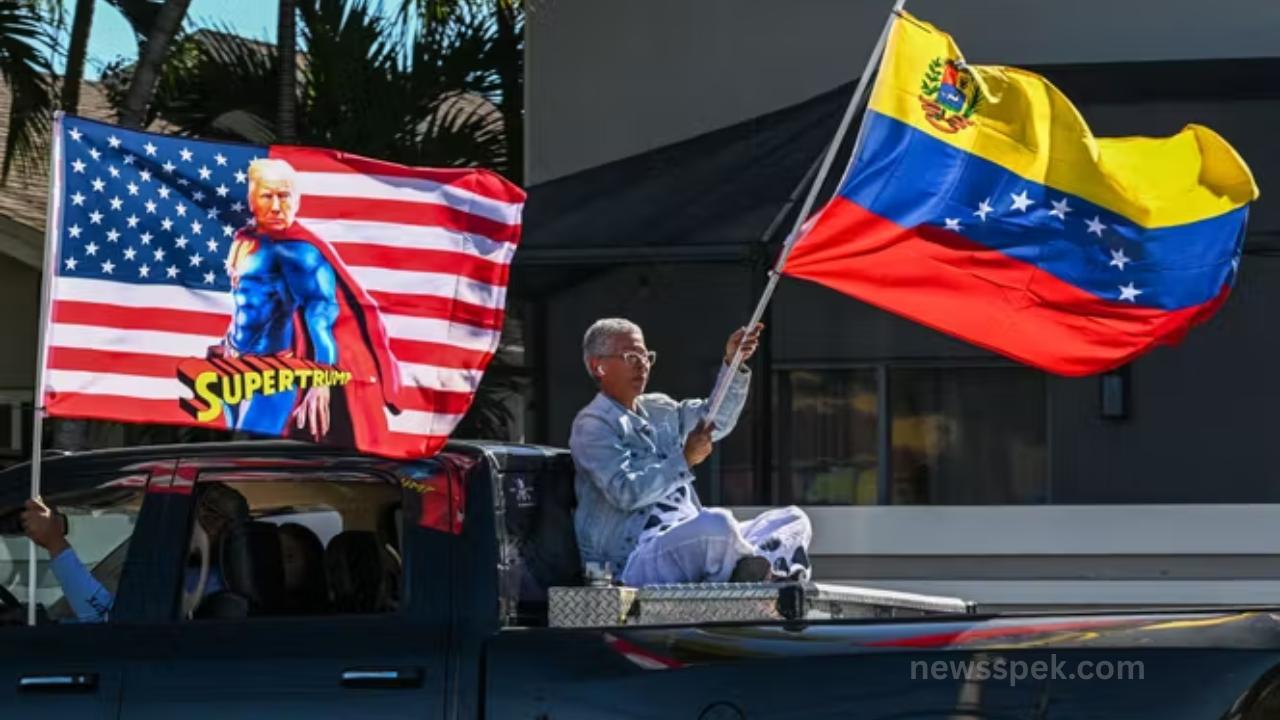
The debate around Venezuela US Intervention has quietly become one of the most polarizing foreign policy issues in American politics. While it rarely dominates headlines, it deeply influences how voters view democracy promotion, energy security, and America’s global role. As economic pressures and geopolitical rivalries intensify, the question of whether the United States should intervene in Venezuela feels more urgent and emotionally charged than ever.
Why Venezuela US Intervention Matters in 2025 and Beyond
Venezuela US Intervention matters because it sits at the crossroads of democracy, human rights, energy supply, and regional stability. Venezuela holds the world’s largest proven oil reserves, yet its economy remains in collapse. Decisions made by Washington directly affect oil markets, migration flows, and US influence in Latin America.
For American voters, this issue reflects broader anxieties about endless foreign involvement versus moral responsibility. Some see intervention as a way to counter authoritarianism and restore stability. Others view it as a risky replay of past mistakes.
As global competition with China and Russia grows, Venezuela has become a strategic battleground. Any move related to Venezuela US Intervention now signals how the US plans to engage with the world in the coming decade.
Key Features or Main Highlights
The debate around Venezuela US Intervention is shaped by several core elements that drive public opinion and political messaging.
Political and Economic Collapse
Venezuela’s long-running economic crisis includes hyperinflation, food shortages, and infrastructure failure. Supporters of intervention argue that outside pressure is necessary to push meaningful reform.
Democratic Legitimacy Disputes
Disputed elections and questions around leadership legitimacy fuel calls for action. Critics counter that intervention undermines national sovereignty.
Energy and Sanctions Policy
Oil sanctions play a central role in Venezuela US Intervention. Adjusting these sanctions can either pressure the regime or offer economic relief.
Migration and Regional Stability
Millions of Venezuelans have fled the country. This migration affects neighboring nations and indirectly impacts US border politics.
Geopolitical Competition
China, Russia, and Iran have expanded influence in Venezuela. For some Americans, intervention is about countering rivals rather than reshaping Venezuela itself.
Latest Trends or Updates About Venezuela US Intervention
Recent developments have added new layers to the Venezuela US Intervention debate. Diplomatic engagement has quietly increased, with limited talks between US officials and Venezuelan representatives. These discussions often focus on election conditions and humanitarian access.
Sanctions policy has also shifted. Temporary easing in exchange for political concessions has sparked controversy at home. Critics say it rewards bad behavior, while supporters argue it creates leverage.
Energy markets remain a driving force. As global oil demand fluctuates, Venezuela’s production potential keeps it relevant. This reality makes Venezuela US Intervention less about ideology and more about pragmatic economics.
Public opinion surveys show a divided electorate. Younger voters tend to oppose intervention, while older voters are more supportive if it avoids military action. This generational split influences campaign strategies and party platforms.
Read More: Critical US Kills al-Qaeda Leader in Syria Strike Response
Pros & Cons
The arguments for and against Venezuela US Intervention reveal why the issue divides American voters so sharply.
Pros
- Potential pressure for democratic reforms and fair elections
- Humanitarian relief through negotiated access
- Reduced influence of rival global powers
- Stabilization of regional migration patterns
- Long-term energy security benefits
Cons
- Risk of military escalation or prolonged involvement
- Historical mistrust due to past US interventions
- Potential harm to civilians through sanctions
- Unclear end goals and accountability
- Domestic opposition and political backlash
Real-World Examples or Case Studies
Past actions offer insight into the consequences of Venezuela US Intervention strategies.
Sanctions Era Policy
Economic sanctions aimed to weaken the ruling elite but also strained everyday citizens. While some political pressure emerged, regime change did not follow as expected.
Diplomatic Recognition Moves
The US recognition of opposition leadership was intended to accelerate democratic transition. Instead, it led to prolonged political stalemate and international confusion.
Humanitarian Aid Efforts
Attempts to deliver aid across borders highlighted the complexity of intervention. Aid became politicized, limiting its effectiveness.
These cases show that Venezuela US Intervention rarely produces clean outcomes. Each approach creates ripple effects beyond initial intentions.
Expert Opinions or Market Predictions
Foreign policy analysts remain divided. Some argue that a calibrated Venezuela US Intervention focused on diplomacy and incentives is the most realistic path forward. They believe engagement, not isolation, can encourage gradual reform.
Energy market experts emphasize Venezuela’s untapped oil capacity. If political stability improves, global oil prices could ease. This possibility keeps economic stakeholders invested in the debate.
Political strategists predict the issue will resurface during election cycles, especially when tied to gas prices or immigration. Venezuela US Intervention may never be a single-issue vote, but it increasingly shapes broader voter attitudes.
Common Myths or Misunderstandings
Misinformation fuels much of the confusion surrounding Venezuela US Intervention.
Intervention Always Means Military Action
In reality, most current proposals focus on diplomacy, sanctions, and economic tools.
Sanctions Only Hurt Leaders
Sanctions often affect civilians first, making their design and enforcement critical.
The US Can Quickly Fix Venezuela
Venezuela’s crisis developed over decades. No outside power can resolve it overnight.
Americans All Agree on This Issue
Polling consistently shows deep divisions across age, party, and ideology.
Venezuela Is No Longer Strategically Important
Energy reserves and geopolitical alliances keep Venezuela highly relevant.
Frequently Asked Questions
What is Venezuela US Intervention?
It refers to political, economic, and diplomatic actions taken by the US to influence Venezuela’s government and policies.
Is military action likely?
Most analysts believe direct military intervention is unlikely in the near term.
How do sanctions affect Venezuela?
Sanctions limit government revenue but can also worsen living conditions for civilians.
Why do American voters care?
The issue connects to gas prices, immigration, and US global leadership.
Has intervention worked before?
Results have been mixed, with limited political change and significant side effects.
What role does oil play?
Venezuela’s oil reserves make it strategically important to global markets.
Will this debate continue?
Yes, Venezuela US Intervention is expected to remain controversial for years.
Conclusion
The Venezuela US Intervention debate captures a larger struggle within American politics about power, responsibility, and restraint. As voters weigh humanitarian concerns against historical caution, no clear consensus emerges. What remains certain is that Venezuela’s future and America’s response will continue to test political values, economic priorities, and public trust.