


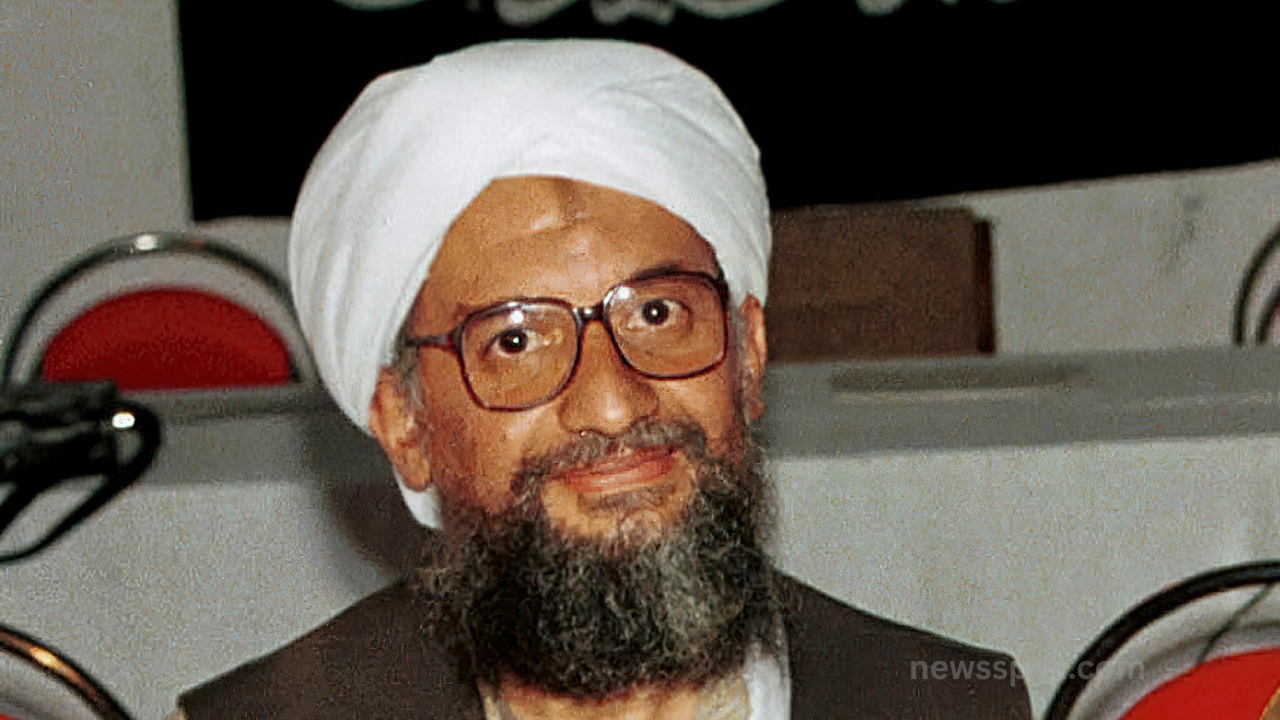
News of US Kills al-Qaeda Leader in a targeted Syria strike has once again placed America’s counterterrorism strategy at the center of global attention. In a region already shaped by years of conflict, this operation signals how modern warfare, intelligence sharing, and precision strikes are redefining national security. Beyond the headline, the event raises deeper questions about regional stability, future threats, and how counterterrorism efforts will evolve in the years ahead.
Why US Kills al-Qaeda Leader Matters in 2025 and Beyond
The moment the report confirmed that the US Kills al-Qaeda Leader in Syria, it sent ripples through diplomatic, military, and intelligence communities worldwide. This was not just another strike. It reflected how counterterrorism priorities are shifting in a rapidly changing global landscape.
Strategic importance of Syria
Syria has remained a complex battleground where multiple armed groups operate alongside regional and international forces. When the US kills al-Qaeda leader in this environment, it demonstrates continued surveillance capability and operational reach despite reduced troop presence.
Message to extremist networks
This action sends a clear signal that leadership positions within extremist organizations are never fully secure. Even years after al-Qaeda lost much of its global influence, its remnants remain targets.
Implications for US foreign policy
The strike reinforces Washington’s stance that counterterrorism operations can continue without large-scale ground deployments. This model may define US engagement in conflict zones beyond 2025.
Long-term security impact
While removing a leader disrupts planning and recruitment, experts agree it does not eliminate ideology. The long-term value lies in sustained pressure combined with regional cooperation.
Key Features or Main Highlights
The operation where US Kills al-Qaeda Leader stands out for several defining characteristics that reflect modern military doctrine.
Precision targeting
Advanced intelligence, surveillance drones, and real-time data analysis played a central role. The strike was designed to minimize civilian harm while neutralizing a high-value target.
Limited collateral damage
Officials emphasized that the mission focused solely on the al-Qaeda figure, underscoring lessons learned from past operations where civilian casualties damaged credibility.
Intelligence collaboration
Such operations often involve intelligence-sharing with regional allies, highlighting the importance of multinational counterterrorism networks.
Swift execution
From identification to action, the process appears faster than in earlier decades, reflecting improved decision-making pipelines.
Symbolic timing
Strikes like this often occur during moments of heightened regional activity, ensuring maximum strategic impact.
Latest Trends or Updates About US Kills al-Qaeda Leader
The fact that US Kills al-Qaeda Leader fits into several broader trends shaping counterterrorism today.
Shift toward over-the-horizon operations
Instead of maintaining large bases, the US increasingly relies on remote capabilities. Drones, special operations, and cyber intelligence are central tools.
Focus on leadership decapitation
Targeting leaders remains a core tactic. While controversial, it is viewed as effective in disrupting command structures.
Increased use of artificial intelligence
AI assists analysts in identifying patterns, movements, and communications, making it harder for extremist leaders to remain hidden.
Regional power dynamics
Local actors now play a larger role in stabilizing territories, while the US intervenes selectively.
Media and information warfare
Every strike is followed by a battle of narratives, as groups attempt to frame losses as victories or martyrdoms.
Read More: Dangerous Trump Tariff Threats Create Massive Economic Uncertainty Now
Pros & Cons
The decision when US Kills al-Qaeda Leader comes with both benefits and drawbacks that policymakers continue to debate.
Pros
- Weakens al-Qaeda’s operational leadership
- Disrupts planned attacks and recruitment efforts
- Demonstrates US intelligence and military capability
- Reinforces deterrence against extremist groups
- Reduces need for large troop deployments
Cons
- Risk of retaliatory attacks
- Possibility of civilian harm despite precautions
- Leadership replacement may occur quickly
- Legal and ethical debates over sovereignty
- Can fuel anti-US sentiment in some regions
Real-World Examples or Case Studies
To understand the significance of US Kills al-Qaeda Leader, it helps to look at similar past operations.
Osama bin Laden operation
The 2011 raid in Pakistan marked a turning point. It proved that high-profile leaders could be reached anywhere, setting a precedent for future actions.
Ayman al-Zawahiri strike
Years later, the targeted killing of al-Qaeda’s longtime leader in Afghanistan showed how persistent intelligence tracking can outlast decades.
ISIS leadership eliminations
Repeated strikes against ISIS leaders significantly weakened the group’s territorial control, though insurgent cells remain active.
Lessons learned
Each case demonstrates that while leadership decapitation is effective tactically, it must be paired with long-term stabilization efforts.
Expert Opinions or Market Predictions
Analysts and security experts have weighed in on what it means when US Kills al-Qaeda Leader at this stage of global politics.
Security analysts’ perspective
Many argue that such strikes are necessary but insufficient alone. Extremist movements adapt quickly, requiring comprehensive strategies.
Military strategists’ view
From a tactical standpoint, eliminating leaders reduces coordination and morale within groups.
Political science outlook
Scholars caution that without addressing local grievances, new leaders may emerge with renewed support.
Future predictions
Experts predict increased reliance on intelligence-driven operations rather than prolonged military campaigns, especially as public tolerance for long wars declines.
Common Myths or Misunderstandings
The headline US Kills al-Qaeda Leader often leads to misconceptions that deserve clarification.
Al-Qaeda is completely defeated
Reality shows the group is weakened but not eradicated, with affiliates still active in several regions.
One strike ends terrorism
Terrorism is rooted in ideology and local conditions, making it resilient to single events.
Civilian casualties are unavoidable
Modern operations aim to minimize harm, though risks remain.
These strikes violate all international laws
The legal framework is complex, involving self-defense arguments and ongoing debates.
Leadership kills always backfire
Historical evidence shows mixed outcomes depending on follow-up actions.
Frequently Asked Questions
What happened in the Syria strike?
The US conducted a targeted operation that resulted in the death of a senior al-Qaeda leader believed to be involved in regional planning.
Why is Syria significant for al-Qaeda?
Syria offers fragmented control and ongoing conflict, allowing extremist groups to hide and operate.
How does this affect global security?
Short term risks may rise, but long term planning capabilities of al-Qaeda are disrupted.
Will al-Qaeda retaliate?
Retaliation is possible, though leadership losses reduce coordination.
Is this part of a larger campaign?
Yes, it aligns with ongoing counterterrorism efforts across multiple regions.
Does this impact US allies?
Allies benefit from reduced threat levels but remain vigilant against backlash.
Will such strikes continue?
Most experts believe targeted operations will remain a key tool in US strategy.
Conclusion
The event where US Kills al-Qaeda Leader in a Syria strike is more than a tactical victory. It highlights how counterterrorism has evolved into a precise, intelligence-driven effort shaped by global partnerships and advanced technology. While such actions do not end extremism overnight, they disrupt dangerous networks and reinforce deterrence. As 2025 unfolds, these operations will likely remain central to maintaining international security in an unpredictable world.